Socks

Beyond Tradition: The Technology Behind Modern Baseball Socks

While baseball socks have maintained their distinctive look through the decades, the technology inside has revolutionized how they perform. Today’s baseball socks are sophisticated pieces of athletic equipment designed to help players run faster, play longer, and recover quicker. This article delves into the innovation behind modern baseball sock design. Material Science in Baseball Socks […]

Beyond Tradition: The Technology Behind Modern Baseball Socks Read More »
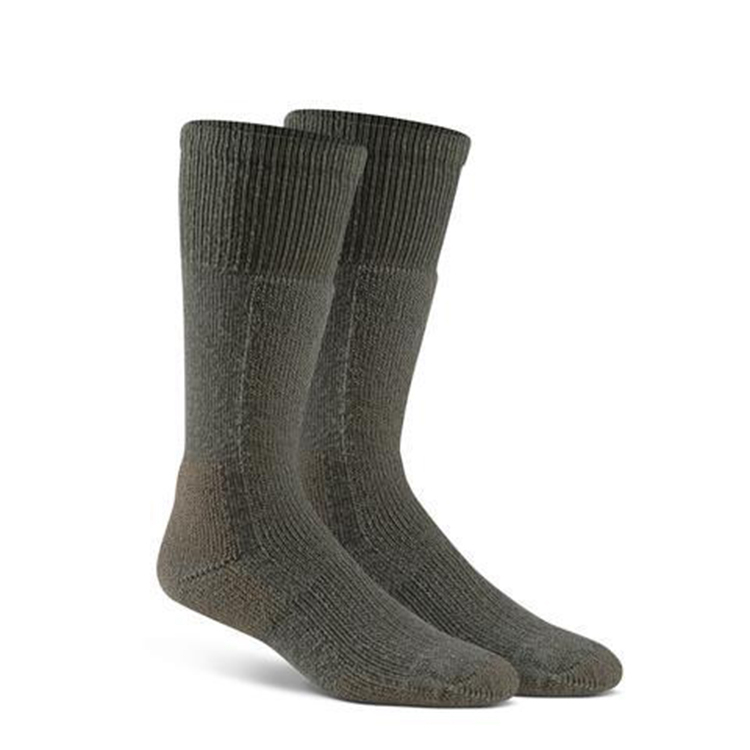
The Complete Procurement Guide for Military Socks: Selecting Professional Hosiery Meeting Military Standards

The procurement of military socks not only concerns budget but directly affects troops’ combat capability and soldiers’ health. This article provides comprehensive guidance for procurement decision-makers on selecting military socks that meet demanding military requirements. 1. Understanding Military Standard RequirementsWhile military standards vary across countries and regions, core requirements include: Material standards: Flame retardancy requirements Eco-friendly certifications Raw material traceability Performance indicators: Abrasion resistance (Martindale test) Anti-pilling grade Dimensional stability Durability testing: Function retention after repeated washing Performance stability during long-term storage Adaptability to extreme environments 2. Analysis of Key Procurement Factors 2.1 Scientific Material Composition Winter models: Merino wool (40%-60%) + Nylon (30%-40%) + Elastic fiber (5%-10%) Summer models: Coolmax The procurement of military socks not only concerns budget but directly affects troops’ combat capability and soldiers’ health. This article provides comprehensive guidance for procurement decision-makers on selecting military socks that meet demanding military requirements. 1. Understanding Military Standard RequirementsWhile military standards vary across countries and regions, core requirements include: Material standards: Flame retardancy requirements Eco-friendly certifications Raw material traceability Performance indicators: Abrasion resistance (Martindale test) Anti-pilling grade Dimensional stability Durability testing: Function retention after repeated washing Performance stability during long-term storage Adaptability to extreme environments 2. Analysis of Key Procurement Factors 2.1 Scientific Material Composition Winter models: Merino wool (40%-60%) + Nylon (30%-40%) + Elastic fiber (5%-10%) Summer models: Coolmax (50%-70%) + Nylon (20%-30%) + Antibacterial fiber (5%-10%) All-weather models: Special blends (adjusted according to specific environments) 2.2 Craftsmanship Considerations Toe seam technology: Hand-linked toes > machine stitching Seamless connection preferred Reinforced areas: Essential reinforcement at heels and toes Double-layer knitting at key wear points Elasticity design: Appropriate cuff elasticity Even pressure distribution throughout 3. Testing and Verification MethodsRigorous testing should be conducted before procurement: Field trials: Minimum 30-person sample size Continuous 30-day wear testing Multiple environment testing Laboratory testing: Abrasion resistance testing

The Complete Procurement Guide for Military Socks: Selecting Professional Hosiery Meeting Military Standards Read More »

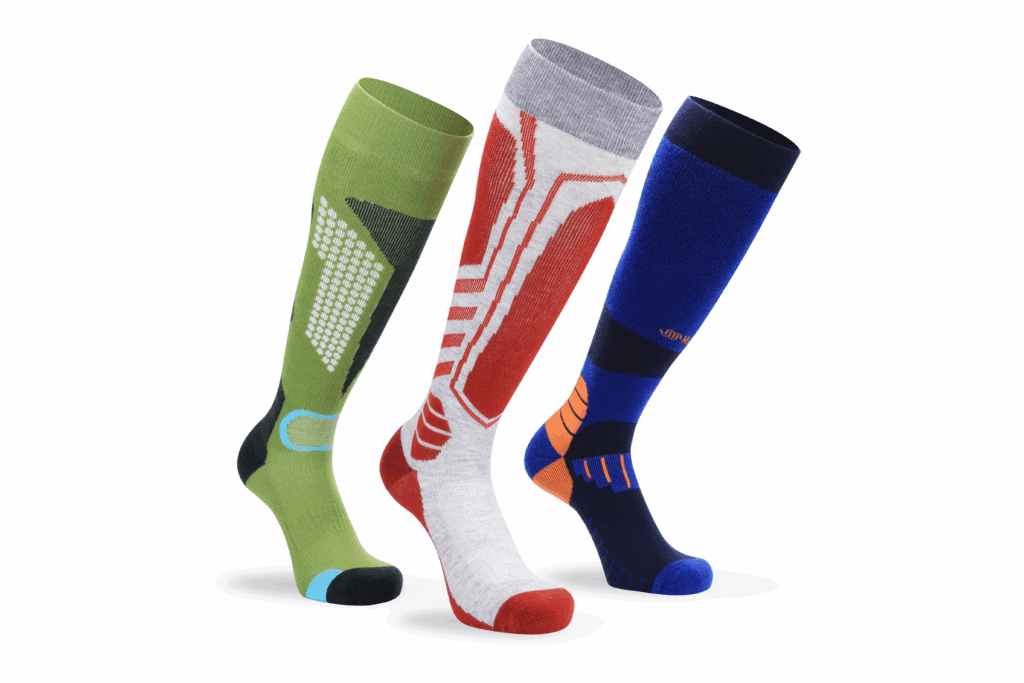
The Science of Performance: How Advanced Sports Socks Enhance Athletic Performance

In the world of sports, every detail matters – and socks are no longer just an afterthought. Modern sports socks are engineered with cutting-edge technology to provide athletes with the competitive edge they need. From moisture management to impact protection, the right sports socks can make a significant difference in performance, comfort, and recovery. The

The Science of Performance: How Advanced Sports Socks Enhance Athletic Performance Read More »